The Attention War: Why Every App Is Fighting for Your Mind
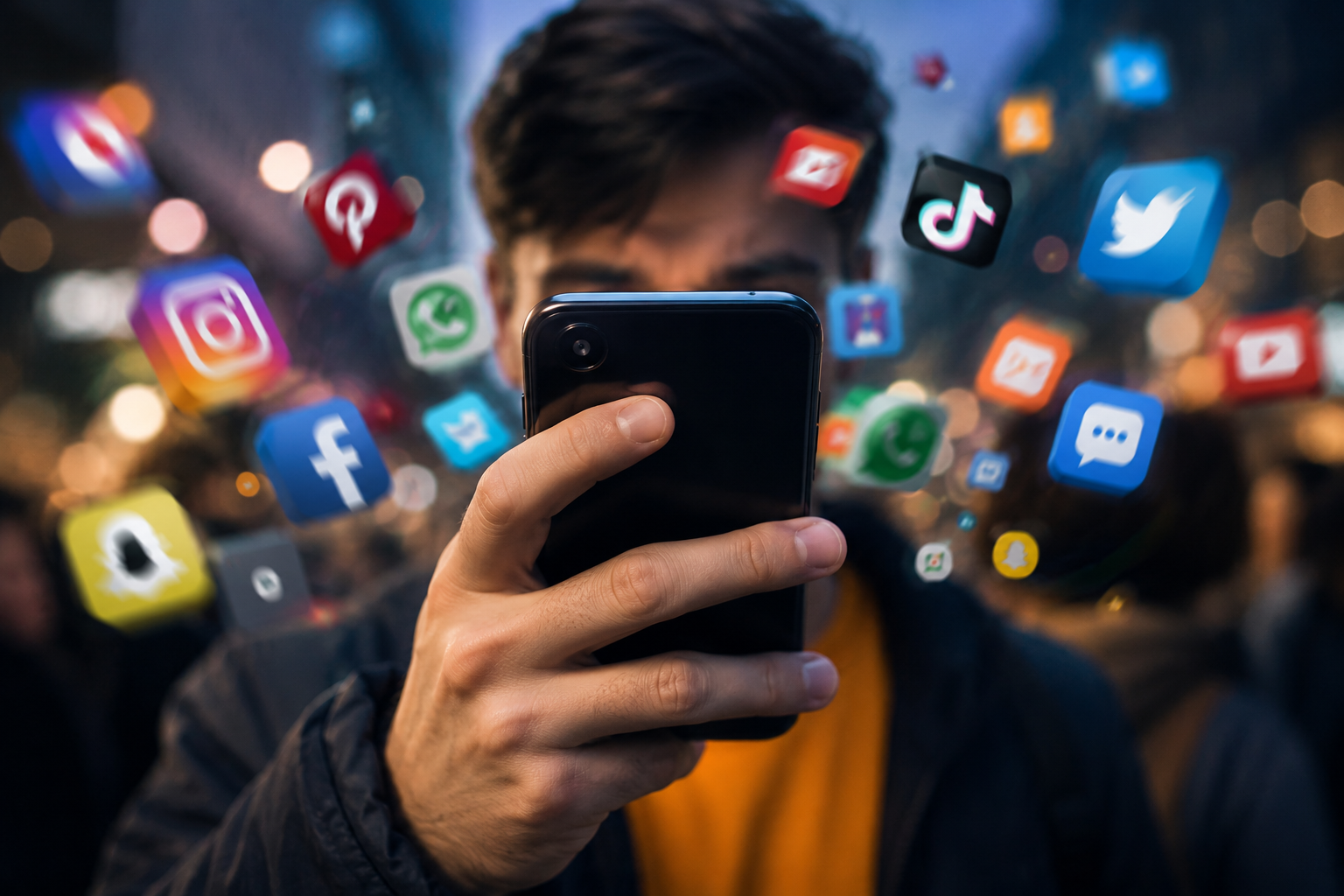
The Attention War: Why Your Attention Has Become a Product
The Attention War is happening every second, whether you realize it or not.
Every notification, endless scroll, recommended video, and breaking news alert is competing for one thing: your attention. In today’s digital world, attention has become one of the most valuable resources on the planet.
Technology companies no longer compete only for your money. They compete for your time, focus, and mental energy. The longer you stay engaged, the more valuable you become to advertisers and platforms.
But why is this happening, and what does it mean for your daily life?
What Is The Attention War?
The Attention War refers to the growing competition among apps, websites, streaming platforms, and social media networks to capture and hold human attention.
Every major platform wants users to:
- Stay longer
- Click more
- Watch more content
- Return more frequently
- Share and engage with posts
The result is a digital environment designed to keep people connected for as long as possible.
Why Attention Has Become a Valuable Asset
The Business Model Behind Free Apps
Most digital platforms are free to use.
If you’re not paying for the product, your attention often becomes the product.
Companies generate revenue through:
- Advertising
- Sponsored content
- User engagement
- Data collection
The more time users spend on a platform, the more opportunities companies have to earn revenue.
How Apps Are Designed to Capture Attention
Infinite Scrolling
Infinite scrolling removes natural stopping points.
Instead of reaching the end of content, users are continuously presented with new posts and videos.
Personalized Recommendations
Algorithms study:
- Viewing habits
- Search history
- Likes
- Comments
- Watch time
This helps platforms deliver highly personalized content.
Push Notifications
Notifications create a sense of urgency.
Many are carefully designed to encourage users to reopen an app immediately.
Variable Rewards
Psychologists compare social media engagement to slot machines.
Users never know when they will receive the following:
- Likes
- Comments
- Messages
- Viral content
This unpredictability keeps people returning.
The Psychology Behind The Attention War
Dopamine and Digital Rewards
Every notification or positive interaction can trigger the brain’s reward system.
Over time, users begin seeking these small rewards repeatedly.
Researchers have discovered that digital rewards, such as likes, notifications, and social validation, can affect how people interact with technology. Research from the American Psychological Association (APA) explores how digital habits affect attention, behavior, and mental well-being.
Fear of Missing Out (FOMO)
Many people feel anxious about missing updates, trends, or conversations.
This fear encourages constant checking of devices.
Social Validation
Humans naturally seek approval and belonging.
Social media platforms amplify this need through likes, shares, and engagement metrics.
The Hidden Costs of Constant Attention Capture
Reduced Focus
Frequent interruptions make it harder to concentrate on important tasks.
Information Overload
People are consuming more information than ever before, but remembering less.
Increased Stress
Constant notifications and digital distractions can contribute to mental fatigue.
Less Meaningful Time
Hours spent scrolling often replace activities such as the following:
- Reading
- Learning
- Face-to-face conversations
- Creative work
How Artificial Intelligence Is Intensifying The Attention War
Modern AI systems understand user behavior better than ever before.
AI can analyze:
- Interests
- Emotions
- Habits
- Engagement patterns
This allows platforms to predict what content is most likely to keep users engaged.
As AI improves, the competition for attention becomes increasingly sophisticated.
Who Is Winning The Attention War?
The biggest winners are often the following:
- Social media platforms
- Streaming services
- Advertising networks
- Digital content companies
However, users can also benefit when technology is used intentionally.
Educational platforms, learning apps, and productivity tools can provide real value when used wisely.
How to Protect Your Attention
1. Turn Off Unnecessary Notifications
Reduce interruptions by disabling non-essential alerts.
2. Set Screen Time Limits
Create boundaries around app usage.
3. Schedule Focus Time
Dedicate periods of the day to uninterrupted work.
4. Audit Your Digital Habits
Ask yourself:
- Which apps improve my life?
- Which apps simply consume my time?
5. Consume Content Intentionally
Choose content instead of letting algorithms choose everything for you.
For practical insights on digital well-being, screen time, and the impact of technology on human behavior, explore the resources available from the Center for Humane Technology.
Why Digital Awareness Matters More Than Ever
The Attention War is not simply a technology issue.
It is a human issue.
Your attention shapes the following:
- What you learn
- What you believe
- How you spend your time
- The quality of your relationships
Understanding how platforms compete for attention is the first step toward taking back control.
Conclusion
The attention war is one of the defining challenges of the digital age.
Every app, platform, and service is competing for a limited resource: your attention. While technology offers incredible benefits, it is important to recognize how digital systems are designed to keep us engaged.
The goal is not to abandon technology but to use it consciously.
In a world where every platform wants your attention, protecting your focus may become one of the most valuable skills you can develop.
Related Reading
The FOMO Machine: How Social Media Profits From Your Fear of Missing Out
Are Algorithms Deciding What You Believe?
Deepfakes in 2026: Can You Still Trust What You See Online?
Digital Maya: How Technology Shapes Reality
Why More People Are Using AI as a Personal Therapist





Post Comment