Why We Trust Influencers More Than Experts
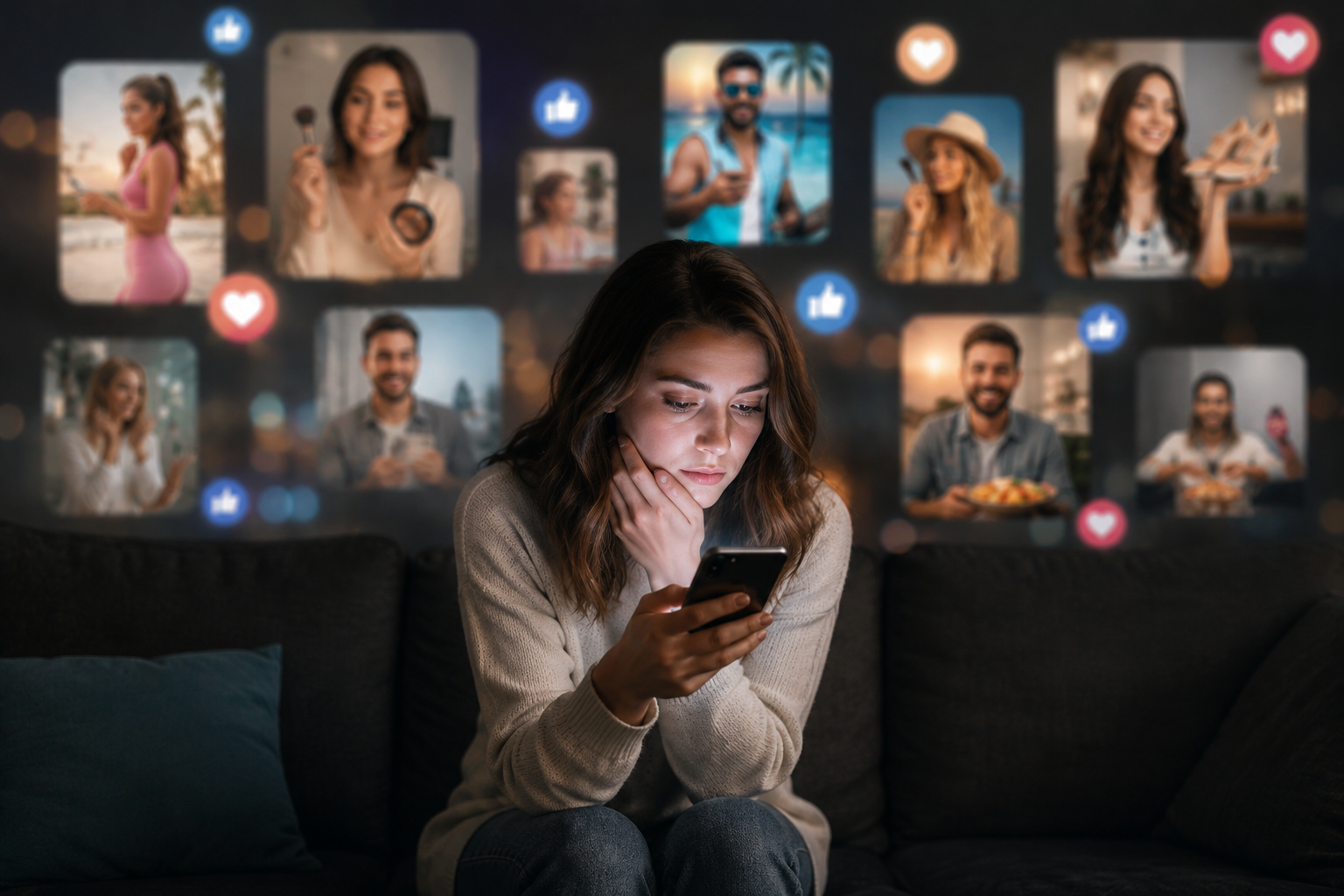
The Hidden Risks of Influencer Culture
Influencer culture has changed the way people discover information, make decisions, and form opinions.
A decade ago, if someone wanted advice about health, finance, education, or technology, they would likely turn to a qualified expert. Today, millions of people look to YouTubers, Instagram creators, TikTok personalities, and online influencers for the same guidance.
People buy products because influencers recommend them. They follow lifestyle advice from creators they’ve never met. Some even trust influencers more than doctors, journalists, scientists, or industry professionals.
This raises an important question:
Why do we trust influencers more than experts?
The answer has less to do with knowledge and more to do with psychology, emotion, and the way social media platforms are designed.
What Is Influencer Culture?
“Influencer culture” refers to the growing influence that social media personalities have over public opinions, purchasing decisions, and lifestyle choices.
Unlike traditional celebrities, influencers often appear relatable and accessible.
They share:
- Daily routines
- Personal experiences
- Success stories
- Product recommendations
- Opinions on current events
Because followers see these moments regularly, influencers often feel more like friends than public figures.
This emotional connection forms the foundation of influencer culture.
Why Influencers Feel More Trustworthy
They Feel Familiar
People tend to trust individuals they feel they know.
Even though followers have never met an influencer personally, repeated exposure creates a sense of familiarity.
Psychologists call this the mere exposure effect.
The more often we see someone, the more comfortable and trustworthy they seem.
They speak like ordinary people.
Experts often communicate using technical language and complex explanations.
Influencers usually explain ideas in simple, relatable ways.
This makes information easier to understand and more engaging.
They Share Personal Stories
Humans connect with stories more than facts.
When an influencer shares a personal experience, followers often relate emotionally.
An expert may present evidence.
An influencer presents a story.
Many people find stories more convincing.
The Psychology Behind Influencer Culture
Parasocial Relationships
One of the biggest reasons Influencer Culture is so powerful is the development of parasocial relationships.
A parasocial relationship occurs when someone feels emotionally connected to a person who does not know they exist.
Followers may feel:
- Friendship
- Loyalty
- Trust
- Emotional attachment
Even though the relationship is one-sided.
Social Proof
People often look to others when deciding what to believe.
When a creator has:
- Millions of followers
- Thousands of comments
- Viral content
People assume they must be trustworthy.
This psychological phenomenon is known as social proof.
Emotional Decision-Making
Many decisions are emotional before they are logical.
Influencers excel at creating emotional connections.
Experts often focus on facts.
Social media rewards emotion.
How Social Media Amplifies Trust
Algorithms Reward Engagement
Social media platforms are designed to keep users engaged.
Content that generates:
- Strong reactions
- Emotional responses
- High engagement
Often receives more visibility.
As a result, charismatic influencers may receive more attention than qualified experts.
Constant Visibility Builds Credibility
Experts might appear occasionally.
Influencers appear daily.
Over time, repeated visibility creates familiarity and trust.
This is one reason influencer culture continues to grow.
Short-Form Content Changes Attention
Platforms like TikTok and Instagram encourage quick content consumption.
Complex expert explanations often struggle to compete with short, entertaining videos.
As attention spans shrink, simple messages gain influence.
When Influencers Become More Powerful Than Experts
There are many examples where influencers have shaped public opinion more effectively than professionals.
This can happen in areas such as the following:
Health Advice
Some creators share wellness advice without medical qualifications.
Despite lacking expertise, they may gain more attention than healthcare professionals.
Financial Guidance
Financial influencers attract large audiences by simplifying investing and money management.
Some provide valuable insights.
Others spread misinformation.
Technology and AI
Many people now learn about AI, technology, and digital trends through creators rather than researchers or industry experts.
This demonstrates the growing power of influencer culture.
The Benefits of Influencer Culture
Not all influence is negative.
Making Information Accessible
Influencers often simplify complex topics.
This can help more people learn about:
- Technology
- Finance
- Education
- Personal development
Building Communities
Many creators bring together people with shared interests.
These communities can provide support and learning opportunities.
Encouraging Positive Change
Influencers have successfully promoted:
- Mental health awareness
- Environmental responsibility
- Educational opportunities
- Charitable causes
When used responsibly, influence can create meaningful impact.
The Hidden Risks of Influencer Culture
Misinformation
Influence does not always equal expertise.
Popular creators can unintentionally spread inaccurate information.
Bias and Sponsorships
Many influencers earn money through partnerships and sponsorships.
Followers may not always recognize potential conflicts of interest.
Replacing Critical Thinking
One danger of influencer culture is accepting opinions without questioning them.
Trust should not replace independent thinking.
Echo Chambers
Algorithms often recommend content similar to what users already engage with.
This can reinforce existing beliefs and limit exposure to different viewpoints.
How to Think Critically Online
Check Credentials
Before trusting advice, ask:
- Does this person have relevant expertise?
- What experience supports their claims?
Verify Information
Cross-check important information using trusted sources.
For media literacy and digital education resources, visit
Follow Diverse Perspectives
Avoid relying on a single creator for information.
Different viewpoints help create a more balanced understanding.
Separate Entertainment From Expertise
Someone can be entertaining without being qualified.
Popularity and expertise are not the same thing.
The Future of Influencer Culture
AI Influencers Are Emerging
Virtual influencers powered by artificial intelligence are gaining popularity.
This may further blur the line between authenticity and digital performance.
Trust Will Become More Valuable
As misinformation increases, credibility may become one of the most important qualities online.
Creators who combine authenticity with expertise are likely to gain long-term trust.
Audiences Are Becoming More Aware
Many users are beginning to question recommendations and sponsored content more carefully.
This shift may encourage greater accountability across social media.
Conclusion
Influencer culture is one of the defining social trends of the digital age.
People trust influencers not necessarily because they are experts but because they feel familiar, relatable, and emotionally authentic.
While influencers can educate, inspire, and build communities, influence should never replace critical thinking.
The most informed decisions come from balancing personal experiences with expert knowledge.
In a world where attention is currency and trust is power, the challenge is not avoiding influence.
The challenge is learning who deserves our trust and why.
Suggested Internal Links
The Attention War: Why Every App Is Fighting for Your Mind
Are Algorithms Deciding What You Believe?
The FOMO Machine: How Social Media Profits From Your Fear of Missing Out
AI Friends Are Rising: Will Human Friendships Become Optional?
AI Dependency: Are We Losing the Ability to Think for Ourselves?

Post Comment