Your Digital Reputation May Soon Matter More Than Your Resume
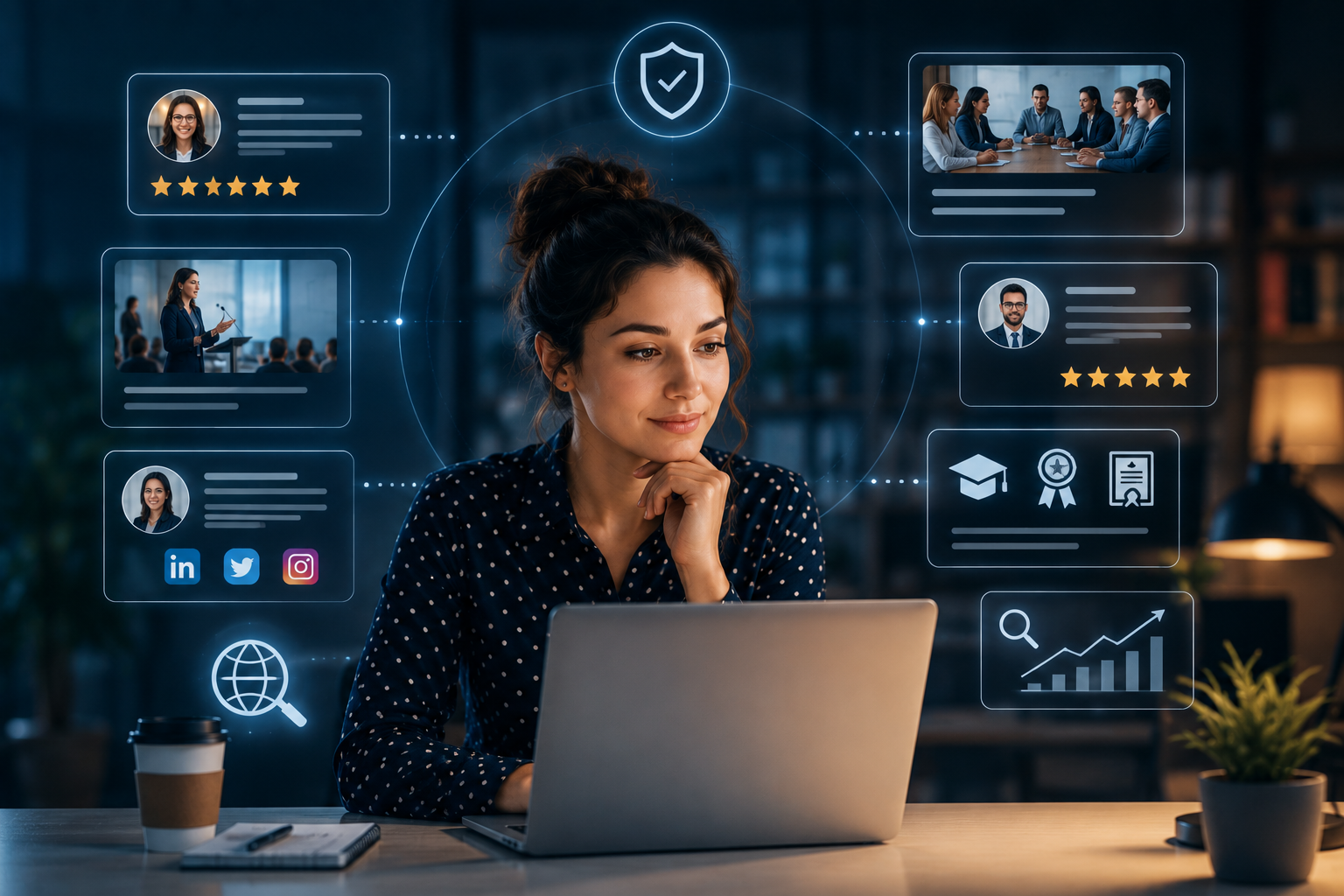
The Growing Importance of Digital Reputation
Imagine applying for your dream job. You spend hours perfecting your resume, highlighting your skills, achievements, and experience. You click “Submit” and wait for a response.
But before a recruiter even reads your resume, they do something else first.
They search your name online. They look at your LinkedIn profile, social media accounts, online activity, personal website, comments, and digital footprint.
In many cases, what they find online can influence their decision just as much as your qualifications.
Welcome to the age of digital reputation.
In 2026, your online presence is no longer separate from your professional identity. It has become a part of who you are. Employers, clients, universities, and even potential business partners increasingly use online information to form opinions before meeting someone in person.
This raises an important question:
Could your digital reputation soon matter more than your resume?
For many people, that future has already arrived.
What Is Digital Reputation?
Your digital reputation is the impression people form about you based on your online presence.
It includes:
- Social media profiles
- LinkedIn activity
- Online comments
- Blog posts
- Public photos
- Professional portfolios
- Videos and interviews
- Search engine results
Every action you take online contributes to your digital reputation.
Whether you realize it or not, people often create opinions about you before they ever speak to you.
Why Digital Reputation Is Becoming More Important
The Internet Never Sleeps
Unlike a resume, which is updated occasionally, your online presence is constantly visible.
Information remains searchable for years.
A single post, comment, or public interaction can influence how others perceive you long after it was originally published.
Employers Want More Context
A resume shows skills and experience.
Your digital reputation shows the following:
- Communication style
- Professional interests
- Personal values
- Industry engagement
- Online behavior
Many employers see this as additional context when evaluating candidates.
Trust Has Become a Valuable Currency
In today’s digital world, trust matters.
People are more likely to work with individuals who appear credible, professional, and authentic online.
Your digital reputation often becomes a shortcut for assessing trustworthiness.
How Employers Evaluate Digital Reputation
Social Media Screening
Many recruiters review publicly available social media profiles.
They may look for:
- Professionalism
- Communication skills
- Industry knowledge
- Leadership qualities
They are not necessarily searching for perfection.
Instead, they want to understand who you are beyond your resume.
LinkedIn Presence
LinkedIn has become one of the most important components of digital reputation.
An active profile demonstrates:
- Professional engagement
- Career development
- Industry awareness
- Networking skills
In some industries, a strong LinkedIn presence can create opportunities before a formal application is even submitted.
Personal Branding
Employers increasingly value candidates who have established expertise online.
Examples include:
- Writing articles
- Sharing industry insights
- Building professional communities
- Creating educational content
A strong digital reputation can position someone as a trusted voice within their field.
The Power of First Impressions Online
Google Is Often the First Interview
Before meeting you, many people will search for your name.
What appears on the first page of results matters.
Positive results may include the following:
- Professional profiles
- Published work
- Industry contributions
- Thought leadership content
Negative results can create concerns before a conversation even begins.
People Judge Quickly
Research shows that people form first impressions within seconds.
Online, this process happens even faster.
Your digital reputation can influence opportunities before you are aware they exist.
What Can Damage Your Digital Reputation?
Inappropriate Public Content
Posts that appear offensive, unprofessional, or harmful can affect how others view you.
Misinformation
Sharing inaccurate information repeatedly may damage credibility.
Negative Online Behavior
Arguments, harassment, or toxic interactions can leave a lasting digital record.
Inconsistent Professional Identity
Conflicting information across platforms can create confusion about your expertise and credibility.
How to Build a Strong Digital Reputation
Create Valuable Content
One of the best ways to improve digital reputation is to share useful knowledge.
You can:
- Write articles
- Share insights
- Publish research
- Create educational posts
Valuable content demonstrates expertise.
Optimize Professional Profiles
Ensure that your:
- LinkedIn profile
- Portfolio website
- Professional bios
are accurate and updated.
Engage Positively
The way you interact online matters.
Professional and respectful communication strengthens trust.
Monitor Your Online Presence
Search your own name periodically.
Understanding what others see helps you manage your digital reputation proactively.
The Role of AI in Reputation Analysis
Artificial intelligence is changing how organizations evaluate online information.
Modern AI tools can analyze the following:
- Public content
- Online sentiment
- Engagement patterns
- Professional activity
This means digital reputation may become even more important in the future.
As AI systems become more sophisticated, they may help organizations identify potential candidates, partners, and leaders based on online signals.
Why Digital Reputation Matters Beyond Employment
Business Opportunities
Clients often research individuals before making purchasing decisions.
Networking
Professionals frequently connect online before meeting in person.
Education
Universities and scholarship programs increasingly review online profiles.
Entrepreneurship
For founders and creators, digital reputation can influence investor confidence and customer trust.
In many situations, your online presence becomes your introduction.
How to Protect Your Digital Reputation
Think Before You Post
Ask yourself:
“Would I be comfortable if an employer or client saw this?”
Review Privacy Settings
Control what information is publicly visible.
Build Positive Content
The best defense against negative content is a larger collection of positive content.
Stay Consistent
Present a clear and authentic identity across platforms.
For guidance on managing online privacy and reputation, visit
the Electronic Frontier Foundation (EFF).
The Future of Digital Reputation
The line between personal and professional identity continues to blur.
As digital interactions become more important, digital reputation may evolve into a form of social credibility.
Future hiring processes may rely heavily on:
- Online portfolios
- Public contributions
- Professional engagement
- Verified digital achievements
Resumes will still matter.
But they may no longer be the first thing people evaluate.
Conclusion
Digital reputation is quickly becoming one of the most important assets a person can build.
Your resume tells people what you have done.
Your digital reputation tells people who you are.
In a world where first impressions increasingly happen online, managing your digital presence is no longer optional.
The good news is that digital reputation is not built overnight.
It is created through consistent actions, valuable contributions, and authentic engagement over time.
The future belongs to people who understand that every post, comment, and interaction contributes to their personal brand.
Your resume may open the door.
But your digital reputation may determine whether you are invited inside.
Suggested Readings:
Why We Trust Influencers More Than Experts
Are Algorithms Deciding What You Believe?
The Attention War: Why Every App Is Fighting for Your Mind
AI Dependency Is Growing: Are We Losing the Ability to Think for Ourselves?
Can AI Be Sustainable? Understanding the Hidden Cost of Intelligence


Post Comment