The Rise of Synthetic Humans: Can You Tell What’s Real Anymore?
The Technology Behind Synthetic Humans
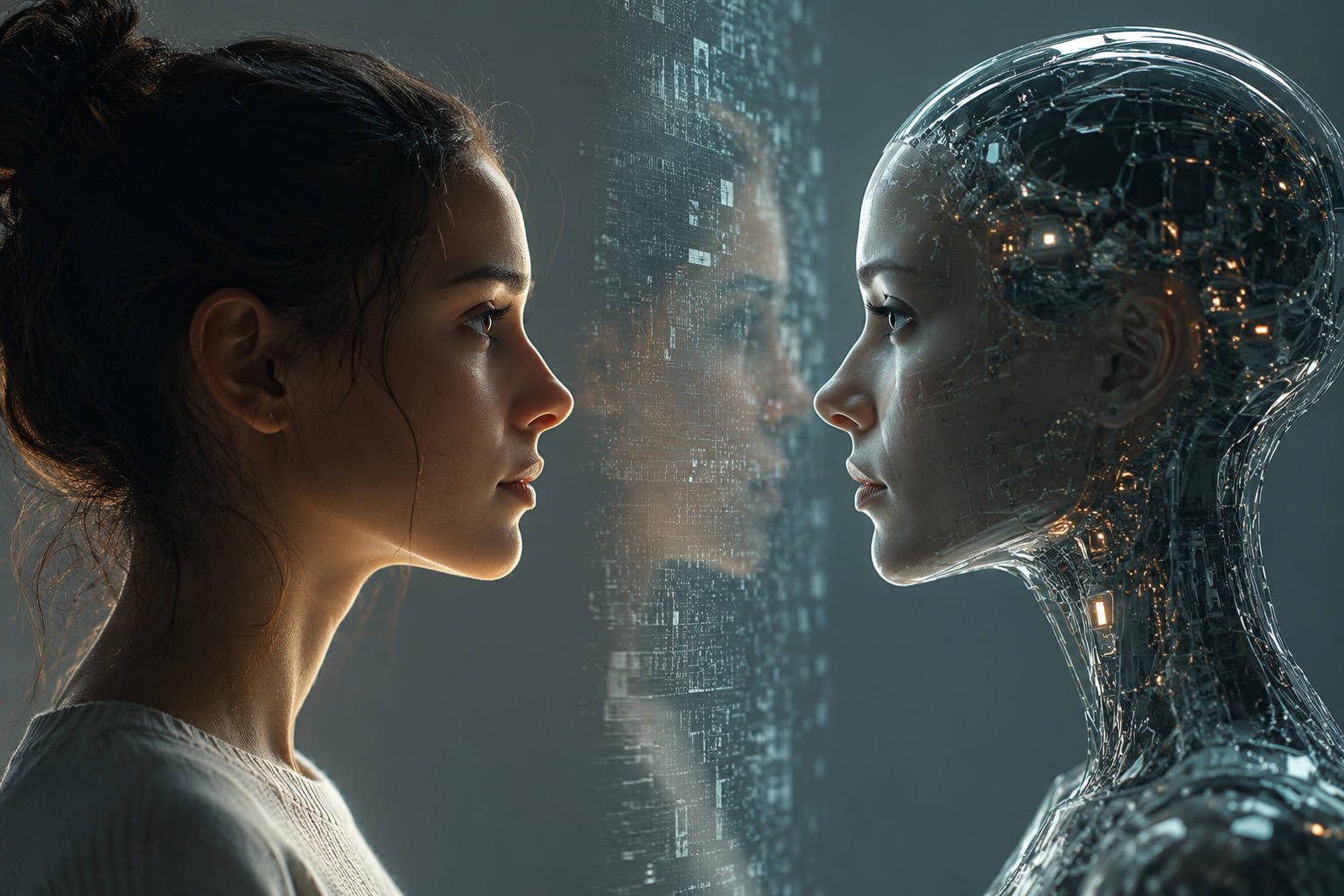
In the early days of the internet, spotting something fake online was relatively easy. Poorly edited photos, robotic chatbots, and obvious digital manipulations often gave themselves away within seconds. Today, however, we are entering a new era where artificial intelligence can create digital people that look, speak, and behave almost exactly like real humans.
These digital creations, known as Synthetic Humans, are rapidly becoming part of our online lives. They appear as social media influencers, customer service representatives, virtual assistants, brand ambassadors, and even companions. Some have millions of followers. Others work behind the scenes, interacting with customers without anyone realizing they are not human.
As technology advances, one question becomes increasingly important: Can you still tell what’s real anymore?
What Are Synthetic Humans?
Synthetic Humans are AI-powered digital individuals designed to resemble real people in appearance, behavior, and communication. They combine several advanced technologies, including:
- Artificial Intelligence (AI)
- Machine Learning
- Computer-Generated Imagery (CGI)
- Natural Language Processing (NLP)
- Voice Synthesis
- Facial Animation
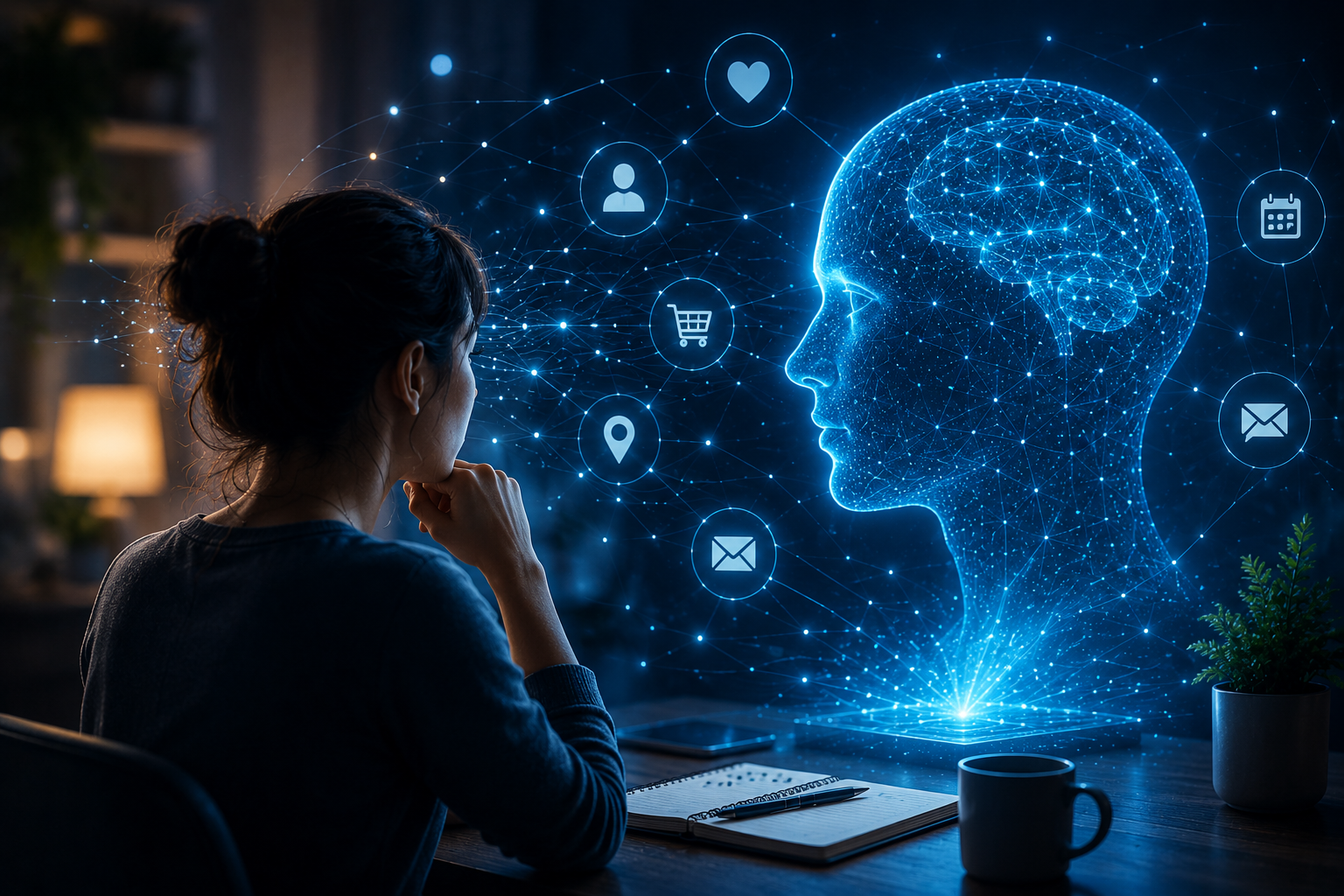
Unlike traditional animated characters, synthetic humans can engage in realistic conversations, respond to emotions, learn from interactions, and adapt their communication styles.
Think of them as digital personalities created entirely through technology but capable of interacting with humans in surprisingly natural ways.
Why Synthetic Humans Are Becoming Popular
The rapid growth of AI technology has made it easier than ever to create realistic digital humans. Businesses, content creators, and organizations are embracing them for several reasons.
24/7 Availability
Unlike human employees, synthetic humans never sleep, take vacations, or call in sick. They can provide support and assistance around the clock.
Cost Efficiency
Companies can invest once in creating a digital human and use it repeatedly for customer engagement, marketing campaigns, and training programs.
Consistent Communication
Synthetic humans deliver the same message consistently without human error, making them attractive for customer-facing roles.
Global Reach
Many AI-powered digital humans can communicate in multiple languages, helping businesses connect with audiences worldwide.
For example, platforms like Synthesia and Soul Machines allow organizations to create AI-driven digital avatars for training, customer support, and content creation.
External Resources:
The Rise of Virtual Influencers
One of the most visible examples of synthetic humans is the emergence of virtual influencers.
Unlike traditional influencers, these personalities are completely computer-generated. Yet they post on social media, collaborate with brands, and interact with followers just like real creators.
Some virtual influencers have built audiences numbering in the millions.
Why Brands Love Virtual Influencers
Brands appreciate synthetic influencers because they:
- Never create scandals
- Always stay on-brand
- Can be customized easily
- Operate globally
- Produce content continuously
For businesses, this level of control is highly attractive.
However, it also raises concerns about transparency and authenticity.
How AI Makes Synthetic Humans Feel Real
The secret to synthetic humans is a blend of different AI technologies working together.
Realistic Face Generation
Today’s AI image generators can create faces that look completely real.
Conversations Like Humans
Synthetic humans can understand context, answer questions, and interact naturally with users thanks to large language models.
Emotional Intelligence
Advanced systems can detect emotional cues and adjust responses accordingly.
Voice Cloning
AI-generated voices can now mimic natural speech patterns, emotions, and accents with astonishing accuracy.
These technologies are coming together to make digital people who are harder and harder to tell apart from real people.
Industries Being Transformed by Synthetic Humans
Synthetic humans are no longer limited to social media. Their influence is spreading across multiple sectors.
Customer Service
AI representatives can answer customer inquiries instantly and provide personalized support.
Education
Virtual tutors can guide students through lessons and provide customized learning experiences.
Healthcare
Digital assistants can help patients access information and manage appointments.
Entertainment
Film studios and gaming companies are creating realistic AI characters that interact with audiences in new ways.
Corporate Training
Businesses use digital instructors to train employees consistently across global teams.
The Benefits of Synthetic Humans
While some people view synthetic humans with skepticism, the technology offers several advantages.
Improved Accessibility
Digital humans can communicate in multiple languages and assist people with disabilities.
Faster Customer Support
Customers receive immediate assistance without waiting for human agents.
Personalized Experiences
AI can tailor interactions based on user preferences and behavior.
Increased Efficiency
Organizations can automate repetitive tasks while allowing human workers to focus on more complex responsibilities.
When implemented responsibly, synthetic humans can significantly improve productivity and user experience.
The Dark Side of Synthetic Humans
Despite their benefits, synthetic humans also introduce serious ethical concerns.
Misinformation and Deepfakes
The same technology used to create digital humans can generate highly convincing fake videos, images, and audio recordings.
This makes misinformation easier to spread.
Identity Manipulation
What happens when a synthetic human closely resembles a real person?
Questions about consent, ownership, and digital identity are becoming increasingly important.
Loss of Trust
If people cannot distinguish between real and artificial individuals, trust in online content may decline.
Emotional Manipulation
Some synthetic humans are designed to build emotional connections with users. Without proper safeguards, this could lead to manipulation or exploitation.
These challenges highlight the need for transparency and ethical guidelines.
Can You Spot a Synthetic Human?
As technology improves, identifying synthetic humans becomes more difficult. However, some clues may still help.
Look for Perfect Features
Many AI-generated faces appear unusually flawless.
Check Background Details
Small inconsistencies in backgrounds or objects can sometimes reveal AI-generated content.
Verify Their Presence
Search for interviews, public appearances, or other evidence of real-world existence.
Examine Interaction Patterns
Some synthetic humans may respond in ways that feel overly polished or scripted.
Still, these methods are becoming less reliable as AI continues to advance.
The Future of Synthetic Humans
The future of synthetic humans is likely to be even more integrated into daily life.
Experts predict that digital humans will become common in:
- Online shopping
- Banking
- Healthcare
- Education
- Entertainment
- Social networking
Rather than replacing humans entirely, synthetic humans will likely work alongside us, handling routine interactions while humans focus on creativity, empathy, and strategic thinking.
Why Transparency Matters
As synthetic humans become more realistic, transparency will become essential.
People deserve to know when they are interacting with AI rather than a real person.
Governments, technology companies, and industry leaders are already discussing regulations that would require clear labeling of AI-generated content.
Maintaining trust will be critical as this technology evolves.
Conclusion
The rise of synthetic humans represents one of the most fascinating developments in artificial intelligence. These digital individuals are transforming customer service, marketing, education, healthcare, and entertainment in ways that seemed impossible only a few years ago.
At the same time, they challenge our understanding of authenticity, trust, and human connection.
As the line between reality and simulation continues to blur, society must find a balance between embracing innovation and preserving transparency. The question is no longer whether synthetic humans will become part of our lives; they already are.
The real question is whether we will be able to recognize them when we meet them.
Suggested Readings:
Why We Trust Influencers More Than Experts
https://rategears.com/why-we-trust-influencers-more-than-experts/
Are Algorithms Deciding What You Believe?
https://rategears.com/social-media-algorithms-influence-beliefs/
AI Dependency Is Growing: Are We Losing the Ability to Think for Ourselves?
https://rategears.com/ai-dependency-outsourcing-thinking-to-ai/
Can AI Be Sustainable? Understanding the Hidden Cost of Intelligence
https://rategears.com/can-ai-be-sustainable-hidden-cost-of-intelligence/
The Attention War: Why Every App Is Fighting for Your Mind
https://rategears.com/the-attention-war-apps-fighting-for-your-mind/



Post Comment