Deepfakes in 2026: Can You Still Trust What You See Online?
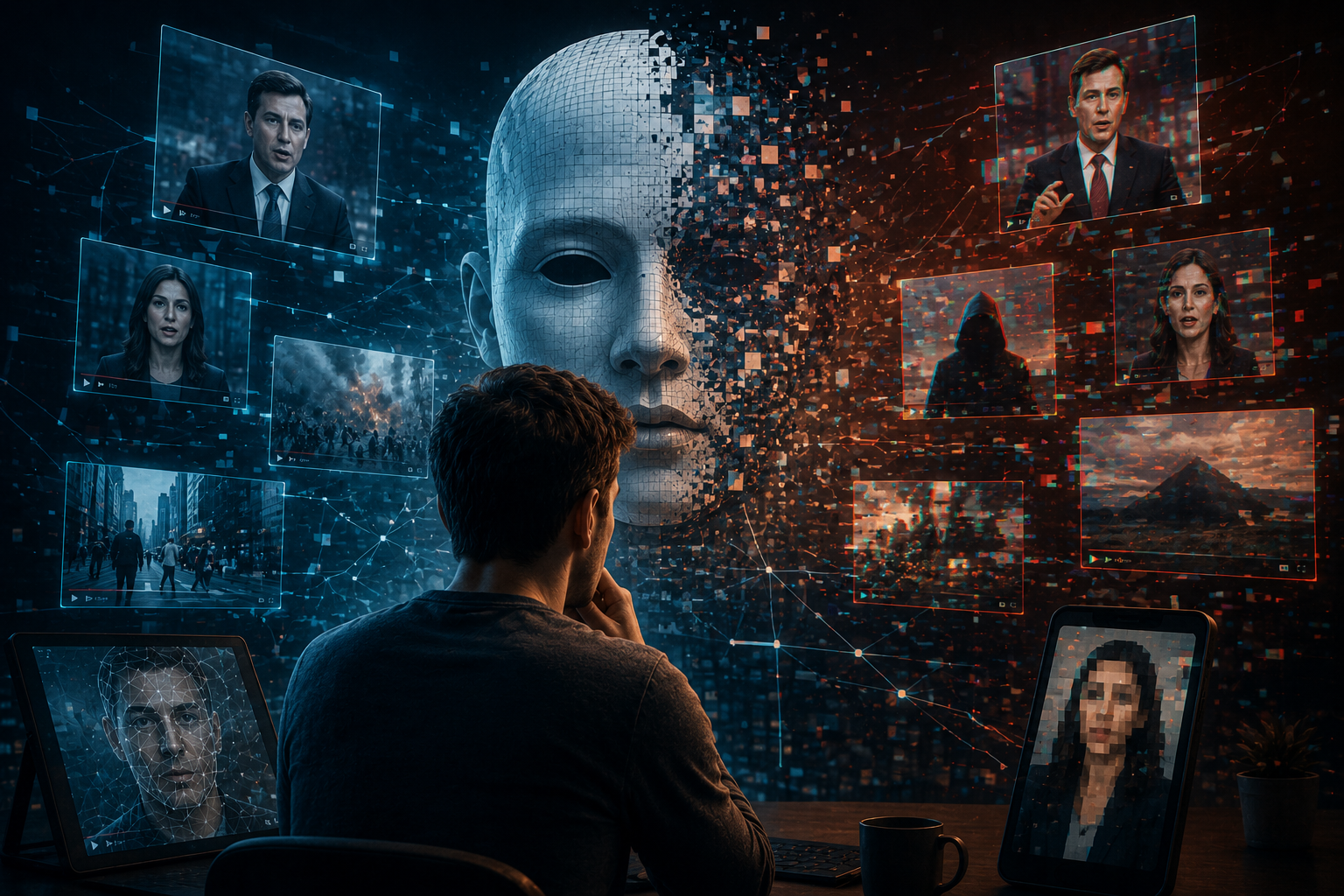
Deepfakes are becoming more realistic in 2026. Learn how AI-generated videos, images, and voices are changing trust online and how to protect yourself from misinformation.
Introduction
Not long ago, seeing was believing.
If a video showed a public figure saying something or an image appeared authentic, most people accepted it as real. In 2026, that assumption is becoming increasingly risky.
Artificial intelligence can now generate highly realistic videos, images, and voices that are difficult to distinguish from genuine content. These AI-generated creations are known as deepfakes.
While deepfake technology has useful applications in entertainment, education, and content creation, it also raises serious concerns about misinformation, privacy, fraud, and trust.
This leads to an important question:
Can you still trust what you see online?
What Are Deepfakes?
Deepfakes are AI-generated or AI-manipulated media designed to make people appear to say or do things they never actually did.
Modern AI systems can create the following:
- Fake videos
- Synthetic voices
- AI-generated images
- Digital avatars
- Virtual influencers
The technology uses deep learning models trained on large amounts of visual and audio data to produce highly realistic results.
Why Deepfakes Are Becoming More Common
Several factors have accelerated the growth of deepfakes in 2026.
1. More Powerful AI Tools
AI image and video generators have become more accessible than ever.
Users can now create realistic content within minutes using online tools.
2. Lower Costs
What once required expensive software and technical expertise can now be achieved with affordable AI platforms.
3. Social Media Distribution
Deepfake content spreads rapidly across social media platforms, where users often share information before verifying it.
The Positive Side of Deepfakes
Deepfakes are not always harmful.
When used responsibly, they can provide real benefits.
Entertainment and Film
Studios use AI-generated effects to recreate historical scenes and improve visual storytelling.
Education and Training
AI avatars can help create interactive learning experiences.
Accessibility
Voice cloning technology can assist people who have lost their ability to speak.
Content Creation
Creators can generate videos, translations, and personalized experiences more efficiently.
The Risks of Deepfake Technology
While the benefits are significant, the risks are equally important.
Misinformation
Deepfake videos can spread false information and influence public opinion.
Identity Fraud
Criminals may use cloned voices or manipulated videos to impersonate individuals.
Privacy Concerns
Personal images and videos can be misused without consent.
Loss of Trust
As fake content becomes harder to detect, people may begin questioning authentic content as well.
This creates what experts call a “trust crisis.”
How Deepfakes Affect Everyday Users
Many people assume deepfakes only impact celebrities or politicians.
In reality, anyone can be affected.
Potential risks include the following:
- Fake job interviews
- Voice-cloning scams
- Social media impersonation
- Fraudulent video calls
- Identity theft
As AI tools become more advanced, digital awareness becomes increasingly important.
How to Spot a Deepfake
Detecting deepfakes is becoming more difficult, but there are still warning signs.
Look for visual inconsistencies.
Pay attention to:
- Unnatural facial movements
- Strange lighting
- Blurred details
- Irregular eye movements
Verify the Source
Always check whether the content comes from a trusted source.
Cross-Check Information
If a video contains surprising claims, verify them across multiple reliable sources.
Be Skeptical of Emotional Content
Deepfakes often rely on shock, fear, or outrage to encourage rapid sharing.
How AI Companies Are Fighting Deepfakes
Technology companies are actively developing solutions to identify AI-generated content.
These efforts include:
- Digital watermarks
- Content authenticity verification
- AI detection systems
- Media provenance tracking
External Resource: Learn more about Microsoft’s AI initiatives and responsible AI development on the official Microsoft AI platform: https://www.microsoft.com/en-us/ai
Organizations such as the Content Authenticity Initiative are also working to improve transparency around digital media.
External Resource:
https://contentauthenticity.org
Why Digital Literacy Matters More Than Ever
In the age of AI-generated content, digital literacy is becoming a critical skill.
People need to learn how to:
- Verify information.
- Evaluate sources.
- Recognize manipulation.
- Think critically before sharing content.
Technology is evolving rapidly, but human judgment remains essential.
The Future of Deepfakes
Deepfakes will likely become even more realistic in the coming years.
At the same time, detection technology will continue improving.
The future will involve an ongoing balance between the following:
- AI content creation
- Digital verification
- Privacy protection
- Trust and transparency
Users who develop strong digital awareness will be better prepared for this evolving landscape.
Frequently Asked Questions
What is a deepfake?
A deepfake is AI-generated or manipulated media that makes a person appear to say or do something they never actually said or did.
Are deepfakes legal?
The legality of deepfakes varies by country and depends on how the content is used.
How can I identify a deepfake?
Check for unusual visual details, verify sources, and compare information across trusted websites.
Why are deepfakes dangerous?
Deepfakes can spread misinformation, enable fraud, damage reputations, and reduce trust in digital content.
Conclusion
Deepfakes are one of the most powerful examples of how artificial intelligence is reshaping the internet.
While the technology offers exciting opportunities in entertainment, education, and communication, it also creates serious challenges for trust and authenticity.
The question is no longer whether deepfakes exist.
The real challenge is learning how to navigate a world where seeing something online does not automatically mean it is real.
Developing digital literacy, verifying information, and staying informed will be essential skills in the AI-powered future.
Related Reading
Interested in the future of AI technology?
Is AI Going to Replace Google Search? What Users Are Choosing in 2026
https://rategears.com/is-ai-going-to-replace-google-search-what-users-are-choosing-in-2026/
Why Search Engines Are Becoming Answer Engines in 2026
https://rategears.com/why-search-engines-are-becoming-answer-engines-in-2026/
Why More People Are Switching to Browser-Based Tools Instead of Installing Software
https://rategears.com/why-more-people-are-switching-to-browser-based-tools-instead-of-installing-software/
AI Agent or AI Chatbot: What Do You Need in 2026?
https://rategears.com/ai-agent-or-ai-chatbot-what-do-you-need-in-2026/




Post Comment