Everyone Is a Brand Now: The New Reality of the Internet
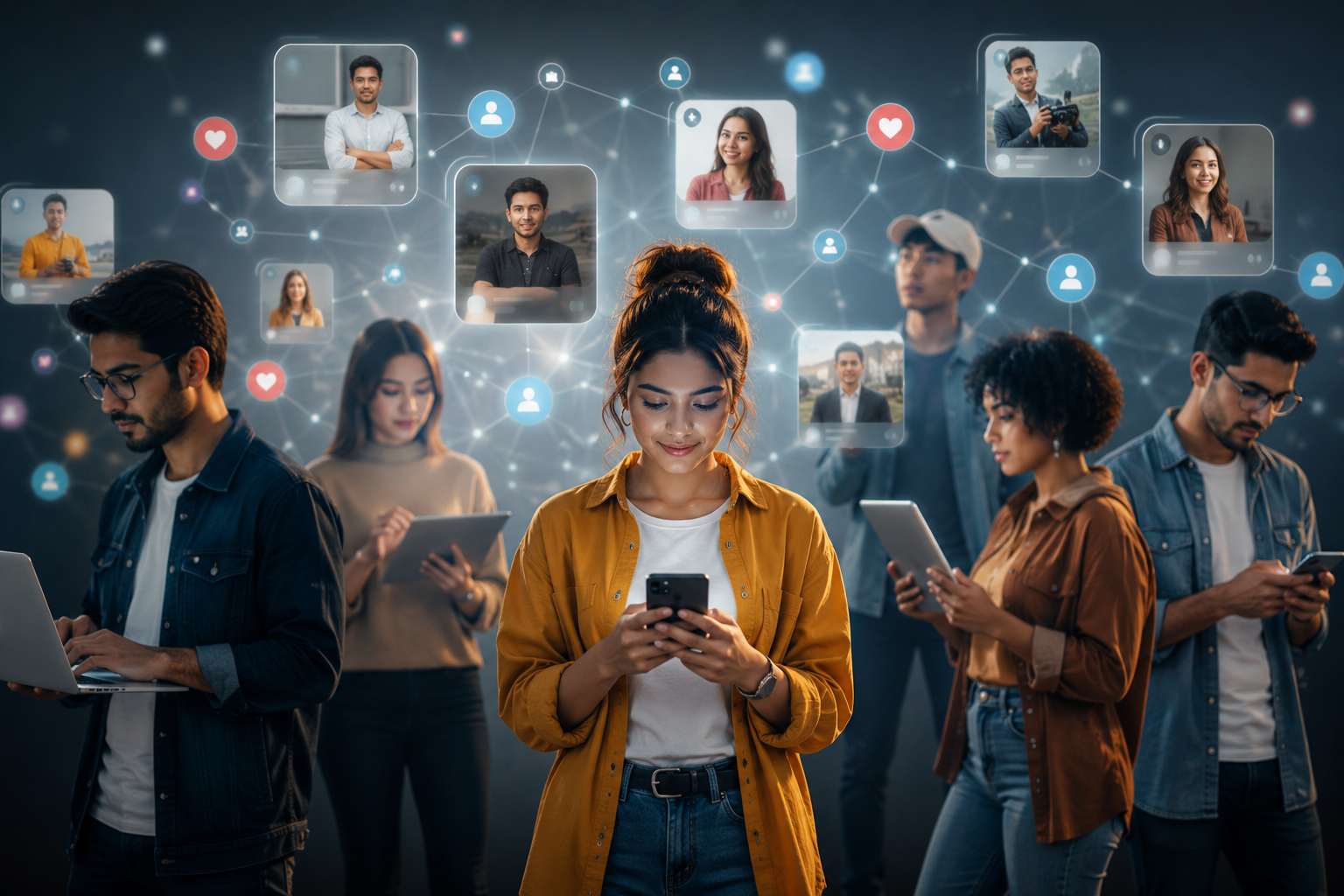
Twenty years ago, becoming known required a television appearance, a newspaper feature, or a large marketing budget.
Today, all it takes is a smartphone and an internet connection.
A student sharing study tips on LinkedIn, a designer posting work on Instagram, or a freelancer writing insights on X can build an audience that reaches thousands of people.
This shift has created a new reality:
Everyone is a brand now.
Whether you realize it or not, your online presence communicates who you are, what you know, and what people can expect from you.
In the digital age, personal branding is no longer limited to celebrities and businesses. It has become an important part of how students, professionals, entrepreneurs, and creators build opportunities.
What Is a Personal Brand?
A personal brand is the reputation and image you build through your actions, content, skills, and online presence.
Think of it this way:
When someone hears your name, what comes to mind?
- Your expertise?
- Your values?
- Your work?
- Your personality?
That perception forms your personal brand.
Unlike a company brand, a personal brand is built around an individual.
Every post, article, comment, and project contributes to how people see you.
Why Personal Branding Matters More Than Ever
The internet has made information accessible to everyone.
This means skills alone are often not enough.
People also want visibility.
When employers, clients, or collaborators search your name online, they want to understand who you are and what you can offer.
According to LinkedIn Personal Branding Resources, professionals who consistently share knowledge and insights can improve visibility and career opportunities.
Today, opportunities often come to people who are both skilled and discoverable.
How Social Media Changed the Rules
Before social media, building influence required access to traditional media.
Now platforms have changed the equation.
Students Build Personal Brands
Students no longer need years of experience to gain recognition.
By sharing:
- Study techniques
- Research projects
- Learning journeys
- Career insights
Students can attract internships, mentorships, and networking opportunities.
Freelancers Build Audiences
Freelancers increasingly use social media to showcase expertise.
Rather than relying solely on job boards, they can:
- Share client success stories
- Publish industry insights
- Display portfolios
- Build trust with potential clients
Professionals Build LinkedIn Followings
Many professionals now use LinkedIn as a publishing platform.
Instead of simply maintaining a resume, they:
- Share experiences
- Discuss industry trends
- Offer practical advice
- Build authority within their field
This helps them stand out in competitive industries.
Why People Trust Individuals More Than Brands
One of the biggest shifts in the digital era is trust.
Consumers increasingly trust individuals over corporations.
Research from Edelman Trust Barometer shows that people often value authentic voices and peer recommendations more than traditional advertising.
Why?
Because individuals feel
- More relatable
- More transparent
- More human
People connect with stories.
They connect with experiences.
They connect with real people.
The Rise of the Creator Economy
The creator economy has transformed how influence works online.
Today, creators can earn income through the following:
- Sponsorships
- Digital products
- Memberships
- Courses
- Consulting
- Affiliate marketing
According to Influencer Marketing Hub Creator Economy Research, the creator economy continues to grow as more individuals monetize their expertise and audiences.
The result is a world where influence is no longer limited to celebrities.
Anyone can build a community around knowledge, creativity, or shared interests.
The Benefits of Building a Personal Brand
Increased Career Opportunities
A strong personal brand can attract the following:
- Recruiters
- Clients
- Partnerships
- Speaking opportunities
Sometimes opportunities find you before you even begin looking.
Greater Professional Credibility
Consistently sharing valuable insights demonstrates expertise.
People are more likely to trust professionals who actively contribute knowledge.
Stronger Networks
Content often creates conversations.
Those conversations create relationships.
Those relationships can lead to future opportunities.
The Risks of Personal Branding
While personal branding offers many benefits, it also comes with challenges.
Pressure to Stay Visible
Many people feel they must constantly post content to remain relevant.
This can become exhausting.
Blurred Boundaries
Sharing too much personal information may reduce privacy.
Not every aspect of life needs to become public content.
Comparison Culture
Watching others succeed online can create unrealistic expectations.
Remember:
Most social media profiles show highlights, not reality.
Are We Turning Ourselves Into Products?
This is one of the most interesting questions of the digital age.
As personal branding grows, some people worry that individuals are becoming products.
Success can begin to feel tied to the following:
- Visibility
- Engagement
- Follower counts
- Personal promotion
The challenge is maintaining authenticity while building an online presence.
A personal brand should reflect who you are, not replace who you are.
How to Build a Personal Brand Without Losing Yourself
Focus on Value
Share information that helps others.
Education and insight create long-term trust.
Be Consistent
Consistency matters more than perfection.
Small contributions over time often outperform occasional bursts of activity.
Stay Authentic
People connect with honesty.
Authenticity creates stronger relationships than carefully manufactured perfection.
Protect Your Privacy
Not every moment needs to be shared.
Maintaining boundaries is healthy.
The Future of Personal Branding
As social media platforms continue to evolve, personal branding will likely become even more important.
Artificial intelligence, creator tools, and professional networks are making it easier than ever to publish content and reach audiences.
In the future, employers may evaluate online presence alongside traditional resumes.
Clients may choose experts based on their digital footprint.
Communities may form around individuals rather than institutions.
The question may no longer be whether you have a personal brand.
The question may be whether you are intentionally managing it.
Final Thoughts
The internet has changed how people build trust, influence, and opportunity.
Students, freelancers, professionals, and creators are all participating in a world where visibility matters.
Personal branding is not about becoming famous.
It is about making your skills, ideas, and values discoverable.
Everyone is a brand now.
The challenge is ensuring that the brand reflects the real person behind the screen.
Related Reading
Internal Links
Are We Living Life or Creating Content? The Hidden Cost of a Digital-First World
Ad Fatigue in 2026: Why It Feels Like Every Platform Is Selling You Something
Digital Stimulation and the Death of Boredom: What Happens When Your Brain Is Never Alone?



Post Comment