Digital Stimulation and the Death of Boredom: What Happens When Your Brain Is Never Alone?
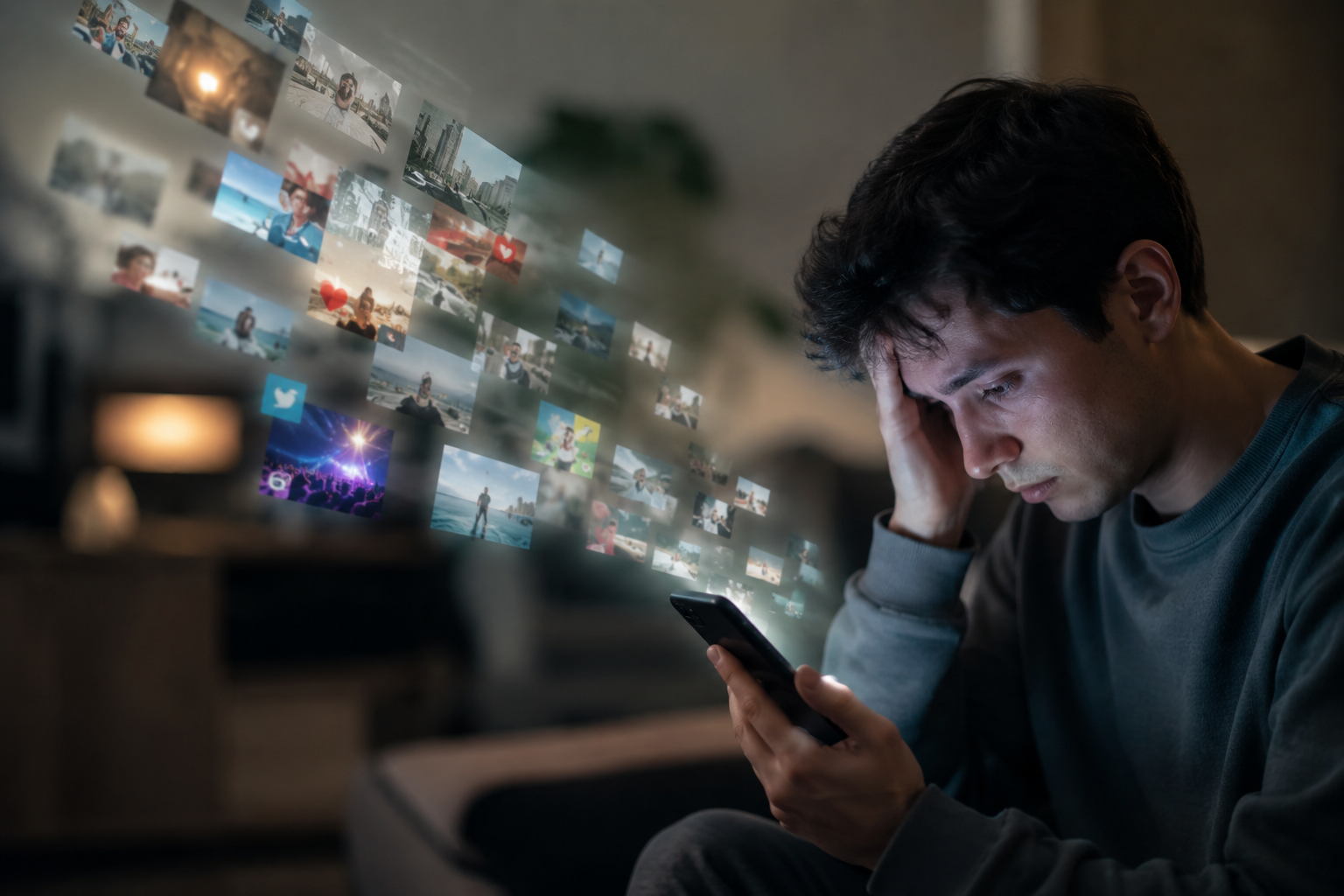
Not long ago, boredom was a normal part of life.
People waited in line without checking their phones. They sat by a window during a train ride. They stared at the ceiling before falling asleep. Their minds wandered, imagined, and reflected.
Today, those moments are disappearing.
The second we feel bored, we reach for a screen. A quick scroll on Instagram turns into twenty minutes. A short YouTube video becomes an hour-long viewing session. Even a few seconds of silence often feel uncomfortable.
This constant flow of content, notifications, and entertainment is known as digital stimulation.
While technology has made life more connected and convenient, many experts are beginning to ask an important question:
What happens when the human brain is never truly alone?
What Is Digital Stimulation?
Digital stimulation refers to the constant stream of information, entertainment, notifications, videos, messages, and digital interactions we consume every day.
Examples include:
- Social media scrolling
- Short-form videos
- Streaming platforms
- Online gaming
- Push notifications
- Podcasts and music
- Instant messaging
The modern brain receives more stimulation in a single day than previous generations experienced in much longer periods.
The problem is not technology itself.
The challenge is that many people rarely experience moments without some form of digital input.
Why Boredom Is Disappearing
Boredom used to happen naturally.
Waiting rooms, bus rides, lunch breaks, and quiet evenings provided opportunities for the mind to slow down.
Today, smartphones have eliminated many of these pauses.
Whenever boredom appears, entertainment is immediately available.
A recent trend shows that many people check their phones not because they need information but simply because they feel uncomfortable doing nothing.
As a result, boredom is becoming increasingly rare.
Why Boredom Is More Important Than We Think
Most people see boredom as a problem.
Psychologists often see it differently.
Boredom gives the brain an opportunity to:
- Process emotions
- Reflect on experiences
- Solve problems
- Generate creative ideas
- Develop self-awareness
Many great ideas emerge during moments of mental wandering rather than active concentration.
When the brain constantly consumes information, it has fewer opportunities to create its own.
The Link Between Digital Stimulation and Attention Spans
One of the most discussed effects of digital stimulation is its impact on attention.
Short videos, endless feeds, and rapid content consumption train the brain to expect constant novelty.
This can make it harder to
- Focus on long articles
- Read books
- Study deeply
- Complete complex tasks
Many people report feeling restless when content does not immediately capture their attention.
The issue is not a lack of intelligence.
It is a brain becoming accustomed to continuous stimulation.
Are We Losing Our Ability to Think Deeply?
Deep thinking requires uninterrupted time.
Many important activities depend on it:
- Problem solving
- Learning
- Writing
- Strategic planning
- Self-reflection
When attention is constantly interrupted by notifications and content, deeper thinking becomes more difficult.
According to researchers at the American Psychological Association, frequent digital interruptions can affect concentration and cognitive performance.
External Resource:
https://www.apa.org
This does not mean technology is harmful.
It means our relationship with technology matters.
The Hidden Impact on Creativity
Creativity often emerges during quiet moments.
Think about when ideas typically appear:
- During a walk
- While taking a shower
- Before falling asleep
- During a long drive
These are moments when the mind is free to wander.
When every spare second is filled with digital stimulation, the brain has fewer opportunities for spontaneous thinking.
Ironically, the same devices that provide endless content may sometimes reduce the mental space needed to create something original.
Digital Stimulation and Mental Well-Being
Constant stimulation can also affect emotional health.
Information Overload
Every day, people consume:
- News updates
- Social media posts
- Emails
- Videos
- Advertisements
The volume of information can become overwhelming.
Increased Anxiety
Many users feel pressure to stay connected and respond immediately.
This can create stress and reduce opportunities for genuine rest.
Difficulty Relaxing
After spending hours consuming stimulating content, some people struggle to enjoy silence or inactivity.
Their brains become accustomed to constant input.
Is Technology the Problem?
Not necessarily.
Technology has brought enormous benefits.
It allows people to:
- Learn new skills
- Connect globally
- Build businesses
- Access information instantly
The issue is not technology.
The issue is imbalance.
Just as physical health requires rest between workouts, mental health requires moments of quiet between stimulation.
How to Reduce Excessive Digital Stimulation
Small changes can make a significant difference.
Create Phone-Free Moments
Set aside specific times when devices are not needed.
Examples include:
- Meals
- Morning routines
- Evening relaxation
Embrace Short Periods of Boredom
Instead of immediately reaching for a phone, allow yourself to sit with boredom for a few minutes.
Disable Unnecessary Notifications
Reducing interruptions helps improve focus.
Spend Time Offline
Activities such as walking, reading, exercising, or journaling can provide valuable mental space.
The Future of Attention in a Hyperconnected World
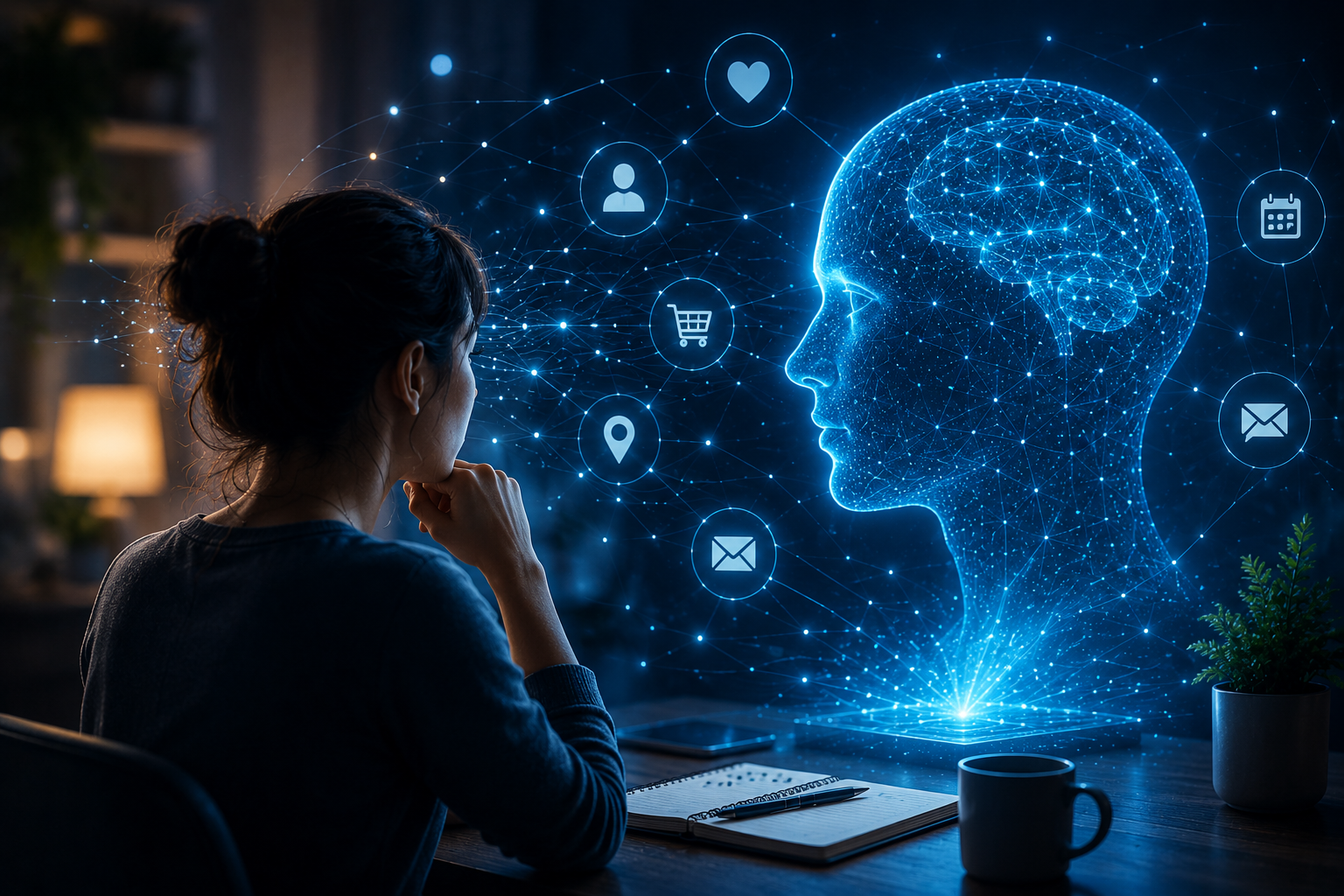
As artificial intelligence, virtual reality, and personalized content continue to evolve, digital stimulation will likely become even more powerful.
Companies compete for attention because attention has become one of the most valuable resources in the digital economy.
The challenge for individuals will not be accessing information.
The challenge will be protecting focus.
Final Thoughts
The death of boredom may sound like progress, but boredom serves an important purpose.
It creates space for creativity, reflection, problem-solving, and self-awareness.
Digital stimulation has transformed how people live, work, and connect. Yet when every quiet moment is filled with content, the brain loses opportunities to rest and think independently.
Technology is not the enemy.
But if we never allow ourselves to be alone with our thoughts, we may lose something far more valuable than boredom itself.
We may lose the ability to truly pay attention.
Related Reading
Are We Living Life or Creating Content? The Hidden Cost of a Digital-First World
Ad Fatigue in 2026: Why It Feels Like Every Platform Is Selling You Something
Can AI Replace Google Search? What Users Are Choosing in 2026
https://rategears.com/is-ai-going-to-replace-google-search-what-users-are-choosing-in-2026
External Resources
American Psychological Association:
https://www.apa.org
Harvard Health Publishing:
https://www.health.harvard.edu
Pew Research Center:
https://www.pewresearch.org



Post Comment