Creating Content Has Become a Lifestyle — Are We Losing Something Along the Way?

The Hidden Cost of a Digital-First World
A few years ago, people took photos to remember special moments.
Today, many people experience special moments so they can post them.
Whether it’s a vacation, a concert, a family dinner, or even a personal milestone, the first instinct is often to reach for a phone and start recording.
Social media has made it easier than ever to share our lives. But it has also created a new question:
Are we living our lives, or are we creating content for an audience?
As platforms like Instagram, TikTok, YouTube, and Facebook continue to grow, more people are turning everyday experiences into content. While this creates opportunities for creativity and connection, it also raises important concerns about privacy, mental health, and how we experience the world around us.
When Everyday Life Becomes Content
Content creation is no longer limited to influencers.
Today, almost everyone creates content.
People record:
- Morning routines
- Gym sessions
- Meals and coffee breaks
- Travel experiences
- Relationships
- Personal achievements
Even moments that were once considered private are now shared online.
What begins as a way to document life can slowly turn into a habit where experiences are viewed through a camera lens before they are fully lived.
Why Do People Feel the Need to Share Everything?
The answer is not always simple.
Social media platforms are designed to encourage sharing and engagement. Every like, comment, and share acts as a small reward.
The Search for Validation
Psychologists often describe social media engagement as a form of positive reinforcement.
When people receive likes and comments, they feel noticed and appreciated.
Over time, some individuals may begin connecting their self-worth to online engagement. Instead of sharing because they want to, they may start sharing because they feel they need to.
Fear of Missing Out (FOMO)
Many users feel pressure to show that they are
- Having fun
- Traveling
- Being productive
- Living an exciting life
This can create a cycle where posting becomes less about memories and more about maintaining an online image.
The Rise of the Digital Self
One of the biggest changes brought by social media culture is the creation of a “digital self.”
Online Identity
Online, people often share:
- Best moments
- Achievements
- Edited photos
- Carefully crafted opinions
Real Identity
Offline life is different.
It includes:
- Mistakes
- Boredom
- Challenges
- Ordinary moments
The larger the gap between these two versions of ourselves, the harder it can become to feel authentic.
What Psychology Says About Living Through a Screen
Research suggests that excessive social media use can affect mental well-being.
According to the American Psychological Association, social media can contribute to stress, comparison, and anxiety when used excessively.
External Resource:
https://www.apa.org
Researchers have also found that people who constantly compare themselves to others online often experience lower life satisfaction.
This does not mean social media is harmful for everyone.
The impact depends on how it is used.
Are We Forgetting How to Be Present?
Imagine attending a concert.
Instead of watching the performance, many people spend most of the event recording videos.
The same thing happens during:
- Vacations
- Family gatherings
- Festivals
- Celebrations
Sometimes we become so focused on capturing a memory that we forget to experience it.
A photo can preserve a moment.
But it cannot replace actually living it.
Is Content Creation Always Bad?
Not at all.
Content creation has many benefits.
It allows people to:
- Share knowledge
- Build communities
- Start businesses
- Express creativity
- Document meaningful experiences
Many educators, creators, and professionals use content to help others.
The issue is not content creation itself.
The issue is when creating content becomes more important than living life.
The Hidden Cost of Living for an Audience
When every moment becomes content, several problems can appear.
Increased Anxiety
People may worry about:
- Engagement numbers
- Audience reactions
- Staying relevant
Loss of Privacy
Personal moments that once remained private are increasingly shared with strangers online.
Constant Comparison
Users often compare their everyday lives to someone else’s highlight reel.
This can create unrealistic expectations.
Digital Burnout
Always thinking about what to post next can be mentally exhausting.
How to Find a Healthier Balance
Technology is not the enemy.
The goal is balance.
Here are a few practical steps:
Experience First, Record Later
Enjoy the moment before reaching for your camera.
Set Boundaries
Not every experience needs to be shared online.
Take Digital Breaks
Spend time away from social media regularly.
Protect Private Moments
Some memories are more valuable when they remain personal.
Where Is This Culture Leading?
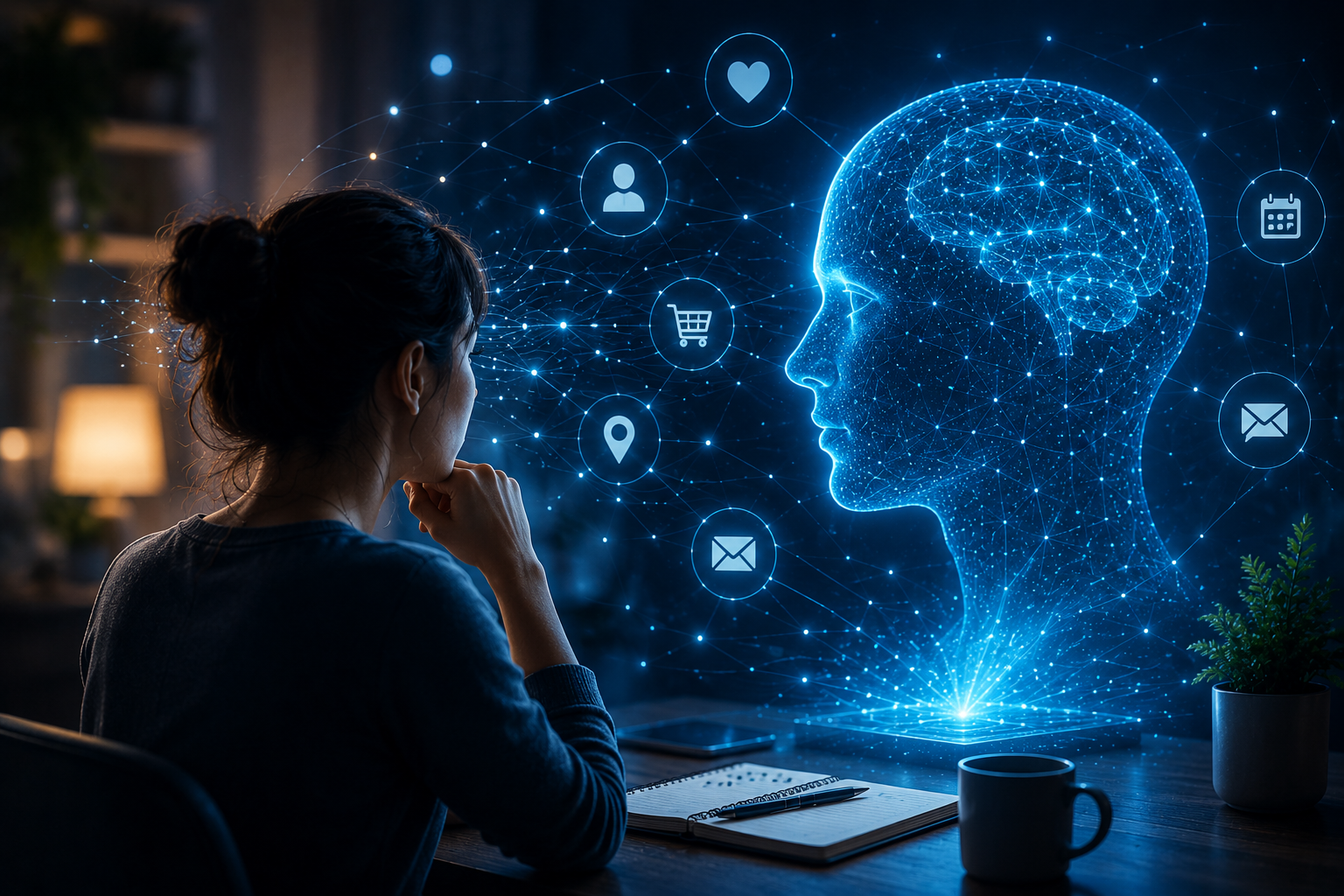
As technology continues to evolve, the line between online and offline life may become even more blurred.
With AI-generated content, virtual influencers, and immersive digital experiences becoming more common, people may spend even more time managing their digital identities.
The challenge will be maintaining authentic human experiences in an increasingly connected world.
Final Thoughts
There is nothing wrong with sharing your life online.
The problem begins when sharing becomes more important than living.
Social media has given people incredible opportunities to connect, create, and express themselves. However, it is important to remember that not every moment needs an audience.
Some experiences are meant to be felt, not filmed.
The most meaningful memories are often the ones that never make it to a feed.
Related Reading
Can AI Replace Google Search? What Users Are Choosing in 2026
– https://rategears.com/is-ai-going-to-replace-google-search-what-users-are-choosing-in-2026/
Ad Fatigue in 2026: Why It Feels Like Every Platform Is Selling You Something
Suggested External Resources
- American Psychological Association: https://www.apa.org
- Pew Research Center: https://www.pewresearch.org
- Harvard Health Publishing: https://www.health.harvard.edu


Post Comment