Are Power Banks Dead? What 2026 Solid-State Batteries Mean for Phones & Accessories
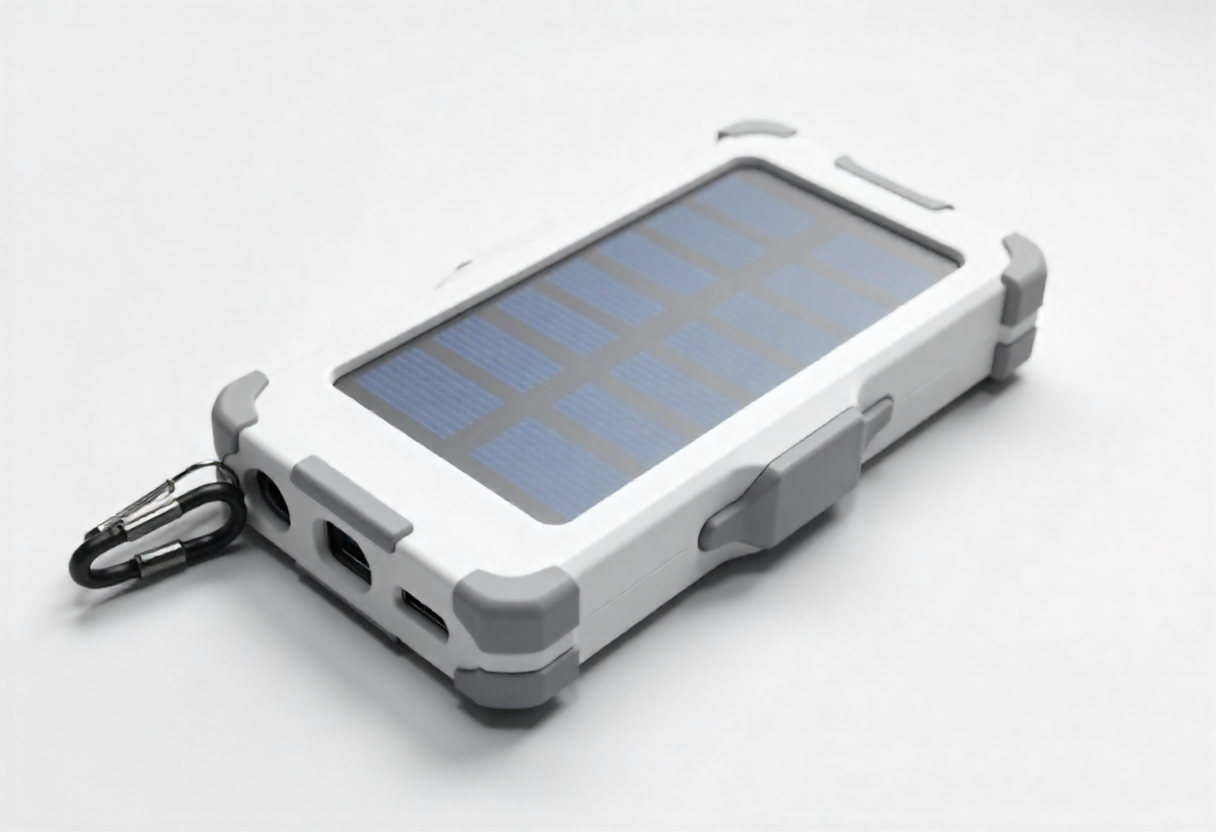
The rise of solid-state batteries 2026 has sparked one of the biggest debates in the tech world: Are power banks and portable chargers finally on their way out? With promises of faster charging, longer life cycles, improved safety, and nearly double the energy density of current lithium-ion batteries, the next generation of power technology could dramatically reshape smartphones and the accessory ecosystem. But does this mean you’ll never need a power bank again? Let’s break down the science, the expectations, the limitations, and the real-world impact.
What Makes Solid-State Batteries Special?
Traditional lithium-ion batteries use a liquid electrolyte that moves ions between the anode and cathode. Solid-state batteries replace this liquid with a solid electrolyte — such as ceramic, glass, or polymer — resulting in significant improvements:
- Higher energy density — potentially 1.5x to 2x more than today’s batteries.
- Much faster charging times — solid electrolytes support ultra-high C-rate charging.
- Lower risk of fire or swelling — no flammable liquid electrolyte.
- Longer lifespan — reduces degradation and supports more charge cycles.
- Better performance in extreme temperatures.
In 2026, the first wave of consumer-ready solid-state smartphone batteries is expected to reach mainstream flagship devices. But the transition isn’t immediate — and affects different industries in different ways.
How 2026 Solid-State Batteries Will Transform Smartphones
Smartphones stand to benefit the most from solid-state innovation. Here’s what we can expect by late 2026 and early 2027:
1. Longer Battery Life Without Bigger Phones
Because solid-state technology provides higher energy density, manufacturers can either increase battery capacity while keeping the same size — or maintain capacity while shrinking the battery footprint.
Most phone brands will choose a mix of both, resulting in:
- Noticeable battery life improvements (20–60% depending on model).
- More compact, lightweight designs.
- Better internal space for cooling and camera hardware.
2. Near-Instant Charging
Solid-state batteries can theoretically charge from 0% to 80% in under 10 minutes with proper thermal management. Early implementations may achieve:
- 0–50% in 5–7 minutes
- 0–100% in 15–20 minutes
This alone reduces the daily need for power banks, especially for travelers and heavy users.
3. Major Boost in Battery Health
Current lithium-ion batteries degrade around 15–20% in the first year depending on usage. Solid-state batteries degrade significantly slower, allowing phones to last longer without expensive battery replacements.
As a result, the resale value of phones may improve, indirectly reducing reliance on portable charging products.
The Big Question: Are Power Banks Becoming Obsolete?
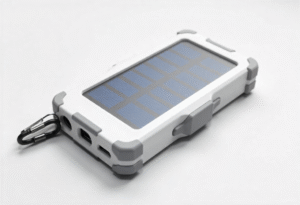
With all the benefits listed above, it’s easy to assume that power banks won’t be necessary anymore. But reality is more complex. To understand whether power banks are truly “dead,” we need to look at five factors.
1. Increased Battery Capacity Reduces the Need for Constant Charging
When your phone lasts all day even under heavy gaming, video streaming, hotspot usage, and navigation, a power bank naturally becomes less essential. A solid-state-powered phone with 20–60% more endurance will easily handle entire day usage for the majority of people.
2. Faster Charging Makes Portable Power Less Important
If you can plug your phone in for 5 minutes and get hours of backup, the need for carrying a bulky power bank diminishes drastically. Ultra-fast charging will reduce dependence on portable chargers — especially during travel or commuting.
3. Power Banks Still Serve One Crucial Purpose
Even with solid-state improvements, power banks remain useful for:
- Long outdoor activities (trekking, camping, multi-day travel).
- Emergency backup during power outages.
- Charging multiple devices (smartwatches, earbuds, cameras).
- Supporting older devices still running lithium-ion batteries.
Thus, power banks won’t disappear — they will simply become less essential for everyday users.
4. Accessory Brands Will Shift to “Smarter” Power Banks
Instead of dying, the market will evolve. Future power banks will focus on:
- Solid-state cells themselves
- Smaller sizes with higher capacity
- Faster output speeds (200W+)
- Better safety + cooling
- Smarter battery management chips
Accessory makers have already begun prototyping solid-state power banks that are 50% smaller with the same capacity.
5. Early Solid-State Phones Won’t Be Perfect
The transition to solid-state will be gradual. 2026 devices may face:
- High production costs
- Lower yield rates
- Limited early supply
- Slower mass-scale adoption
Most mid-range and budget phones will continue using lithium-ion batteries until 2028–2029. This means power banks will still have a wide user base.
Solid-State Battery vs Lithium-Ion: Comparison Table
| Feature | Solid-State (2026) | Lithium-Ion (2025) |
| Energy Density | Up to 2× higher | Standard |
| Safety | Much safer (non-flammable) | Moderate |
| Charging Speed | 0–80% in 10 mins | 0–80% in 30–40 mins |
| Lifespan | 2–3× more cycles | Average lifespan |
| Cost (Early Stage) | High | Affordable |
What This Means for Phone Manufacturers
Every major brand — Samsung, Apple, Xiaomi, Oppo, Google — is working on solid-state battery integration. The first generation arriving in 2026 will be limited to Ultra/Premium Pro-tier smartphones. As costs come down, it will gradually expand throughout entire lineups.
In the short term, manufacturers may use mixed battery systems like:
- Hybrid lithium–solid-state cells
- Solid-state micro-layers inside traditional batteries
- Composite electrolyte structures
These transitional designs will help brands scale production more effectively.
Impact on Power Bank Companies
Accessory makers will not disappear — but they will evolve. Brands like Anker, Ugreen, and Belkin will adapt by offering:
- Smaller power banks with solid-state cells
- 200W–300W output speeds for faster device charging
- Multi-device charging hubs
- Safety-focused designs for EVs, laptops, and tablets
The market shifts from necessity to premium convenience.
What Phones Might Look Like by 2026–2027
With better energy density and safer chemistry, future phones can introduce features like:
- Thinner flagships without battery compromises
- Bigger camera sensors without overheating concerns
- Sustained gaming at 120–144 FPS
- AI models running locally without rapid battery drain
- Hour-long video recording at stable temperatures
We may also see new form factors like ultra-thin foldables with all-day battery life.
FAQs
Will solid-state batteries make power banks useless?
No. Power banks will still be helpful for travel, emergencies, and charging multiple gadgets. However, they will become less essential for daily smartphone users.
Are solid-state batteries coming to phones in 2026?
Yes. Early flagship models from multiple brands are expected to include first-generation solid-state designs by late 2026.
Are solid-state batteries safer?
Yes. They are far less likely to swell, leak, or catch fire compared to lithium-ion batteries.
Will power banks also switch to solid-state?
Eventually yes — and this will make them smaller, lighter, and more efficient.
Conclusion
The evolution of solid-state batteries 2026 will dramatically reshape the smartphone industry and accessory market. While everyday users may rely less on traditional power banks, the accessory business is far from dead. Instead, power banks will evolve into smaller, safer, and more efficient solid-state versions over the next few years. The biggest impact will be on users who demand long battery life, ultra-fast charging, and high performance — all of which are key advantages of solid-state technology.
In short, power banks aren’t dying — they’re transforming. And 2026 is only the beginning of that transition.







Post Comment